Physical Platforms for the Next Generation of Robotics

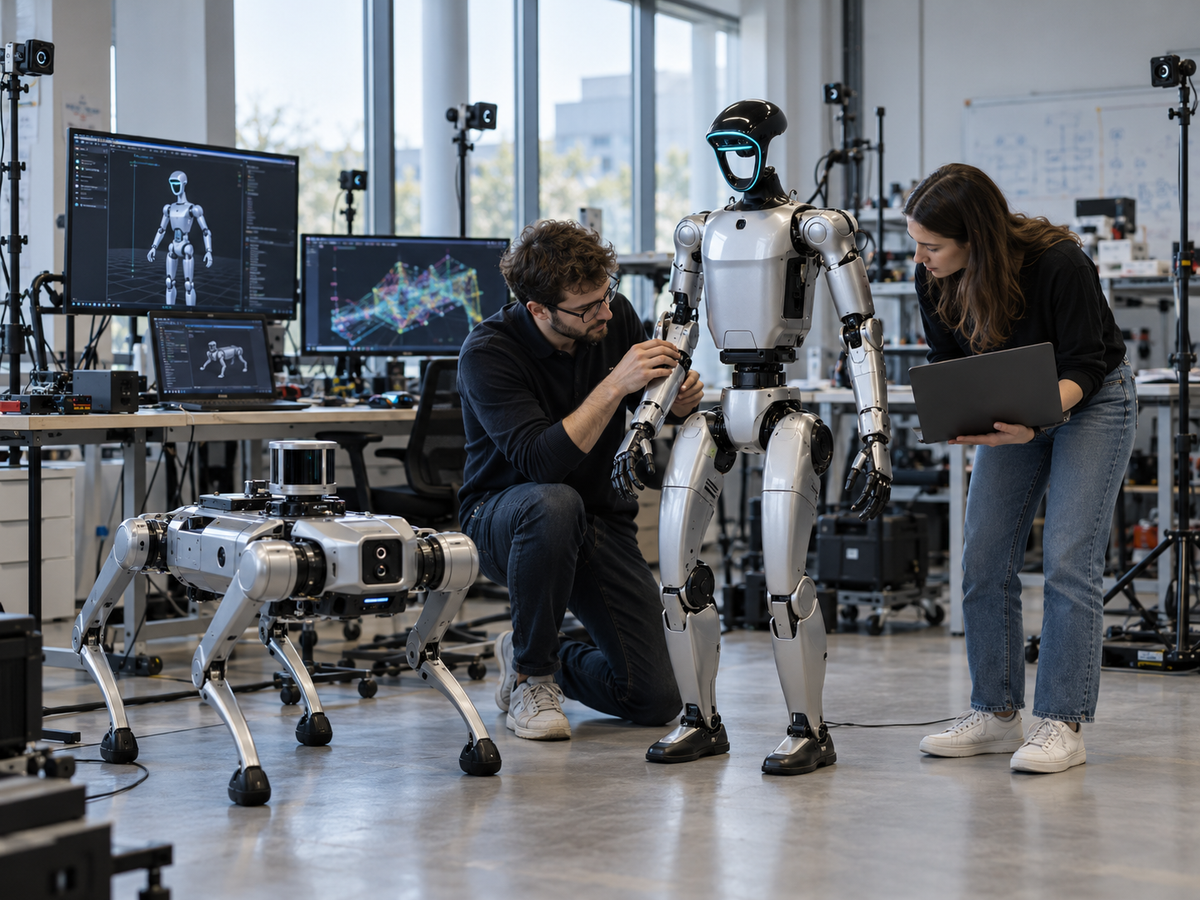
Advanced robotics is moving beyond controlled demonstrations. Humanoid and quadruped robots are becoming platforms for exploring embodied AI, developing control systems, testing perception algorithms, and studying how machines move and interact with the physical world. 

Futurology offers Unitree robotic platforms for research, education, development, and applied projects. From humanoid systems designed for human-scale movement to quadruped robots built for dynamic mobility, the portfolio gives organizations access to technologies for exploring what advanced robotics can do in practice.

Beyond Simulation: What Can You Develop With Advanced Robotics?

Robotics research increasingly requires more than virtual models or isolated components. Physical platforms allow teams to evaluate how movement, perception, control, and decision-making work together under real operating conditions. 

Embodied AI & Human-Robot Interaction

Embodied AI & Human-Robot Interaction

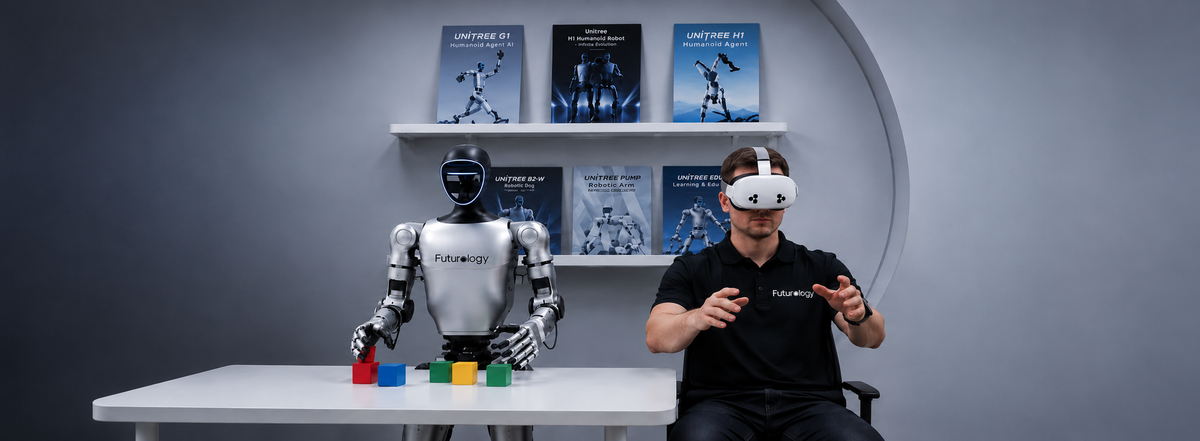
Humanoid robots provide a physical platform for exploring how AI systems perceive their surroundings, coordinate movement, and interact with human-scale environments.

Mobility & Autonomous Navigation

Mobility & Autonomous Navigation

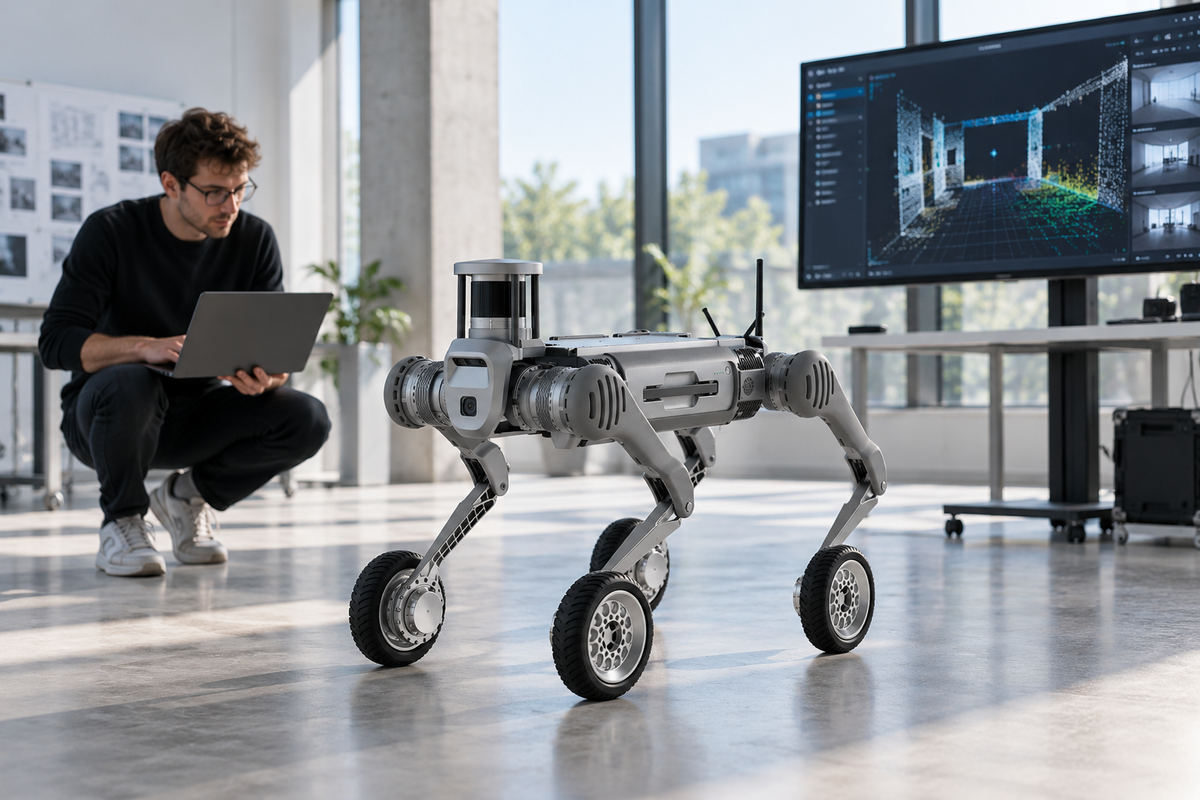
Quadruped platforms support research into locomotion, balance, navigation, and movement across varied terrain. Depending on the configuration, they can be used to test autonomous behaviors and perception systems in physical environments.

Manipulation & Robotic Control

Manipulation & Robotic Control

Compatible robotic hands, arms, sensors, and development tools can extend a platform's capabilities for experiments involving object interaction, motion control, and coordinated robotic actions.

Robotics Development & Prototyping

Robotics Development & Prototyping

Programmable platforms and development interfaces give engineering teams opportunities to test algorithms, evaluate system behavior, and explore new applications before committing to a larger deployment.

Advanced Robotics in the Futurology Portfolio

Futurology's Unitree portfolio includes humanoid robots, quadruped platforms, and compatible development hardware for research, education, and applied robotics projects. 

Explore the available models and configurations to compare their capabilities and identify platforms relevant to your development goals.

Browse Unitree Robotics

Two Types of Platforms. Different Development Possibilities

Humanoid Robotics

Humanoid Robotics

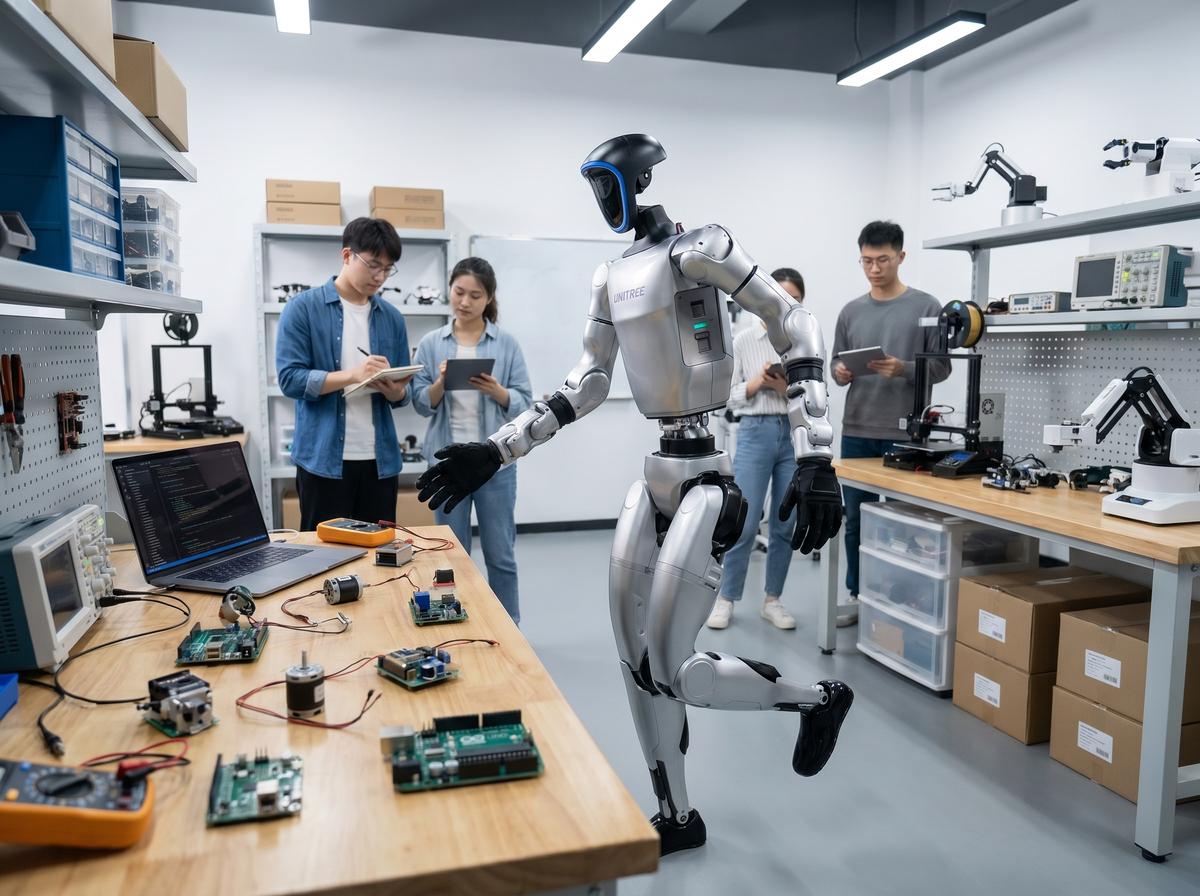
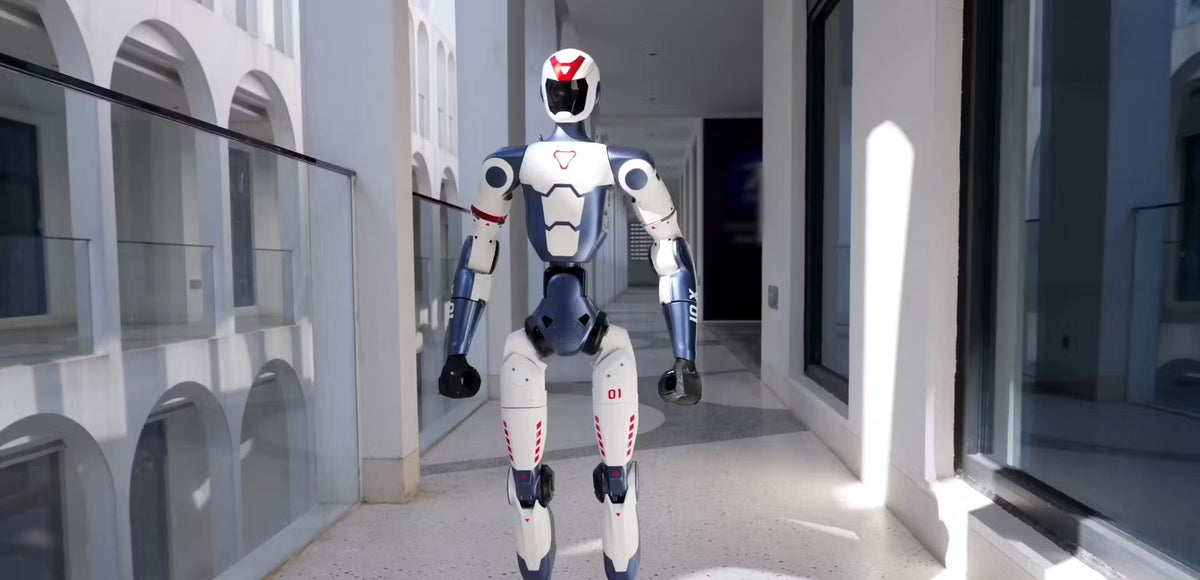
Humanoid robots provide a human-scale platform for research into locomotion, manipulation, embodied AI, and human-robot interaction. Their form makes them particularly relevant to experiments involving movement and interaction in environments designed for people. 

Unitree's humanoid portfolio includes different platform configurations for education, robotics development, and advanced research. Capabilities vary by model, from more accessible development platforms to systems intended for more demanding research applications. 
Explore Humanoid Robots →
Quadruped Robotics

Quadruped Robotics

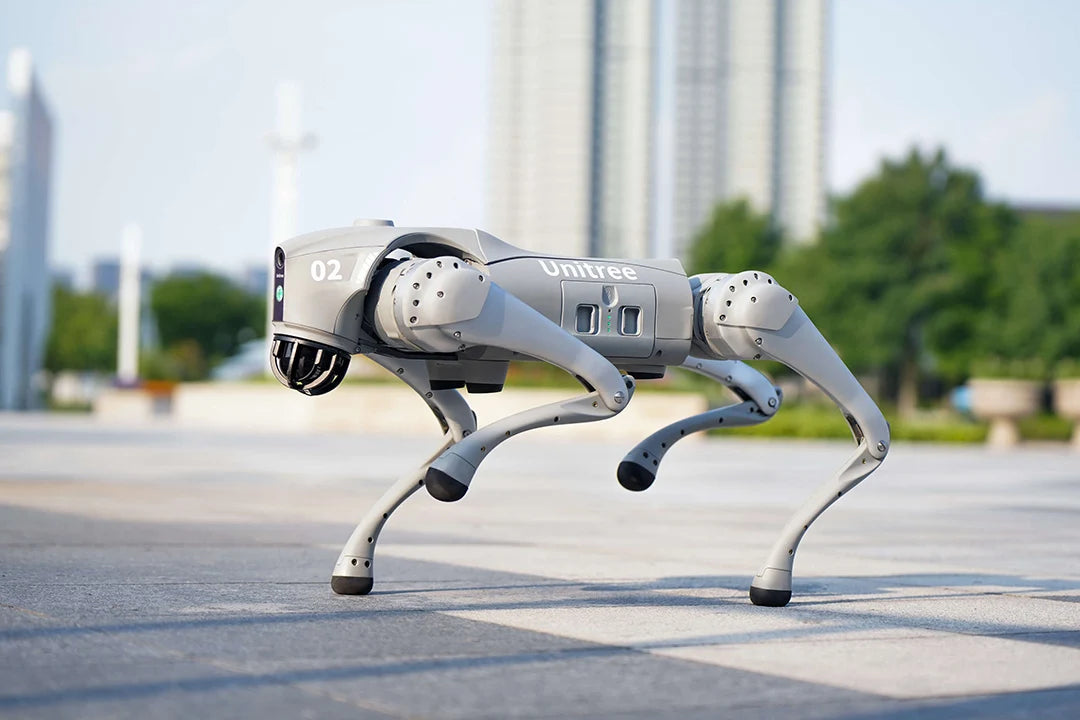
Quadruped robots combine articulated locomotion with the ability to move through environments where conventional wheeled platforms may face limitations. They provide a practical basis for studying mobility, balance, perception, and autonomous navigation. 

Unitree's quadruped portfolio includes compact platforms for experimentation and education, as well as industrial-grade models designed for more demanding mobility and payload requirements. Depending on the platform and configuration, applications may include research, field testing, inspection-related development, and mobile robotics experiments.

Explore Quadruped Robots →

From Research Labs to Applied Technology Projects 

Universities & Robotics Laboratories

Universities & Robotics Laboratories

Humanoid and quadruped platforms provide practical equipment for studying robotics, control systems, computer vision, machine learning, and autonomous behavior. 

AI & Robotics Developers

AI & Robotics Developers

Programmable robotic platforms can support experimentation with perception, motion planning, embodied AI, and algorithms that connect digital intelligence with physical action. 

Corporate Innovation Teams 

Corporate Innovation Teams 

Organizations exploring emerging technologies can use advanced robots to evaluate potential applications, develop demonstrations, and test concepts relevant to future products and operations. 

Industrial & Field Applications 

Industrial & Field Applications 

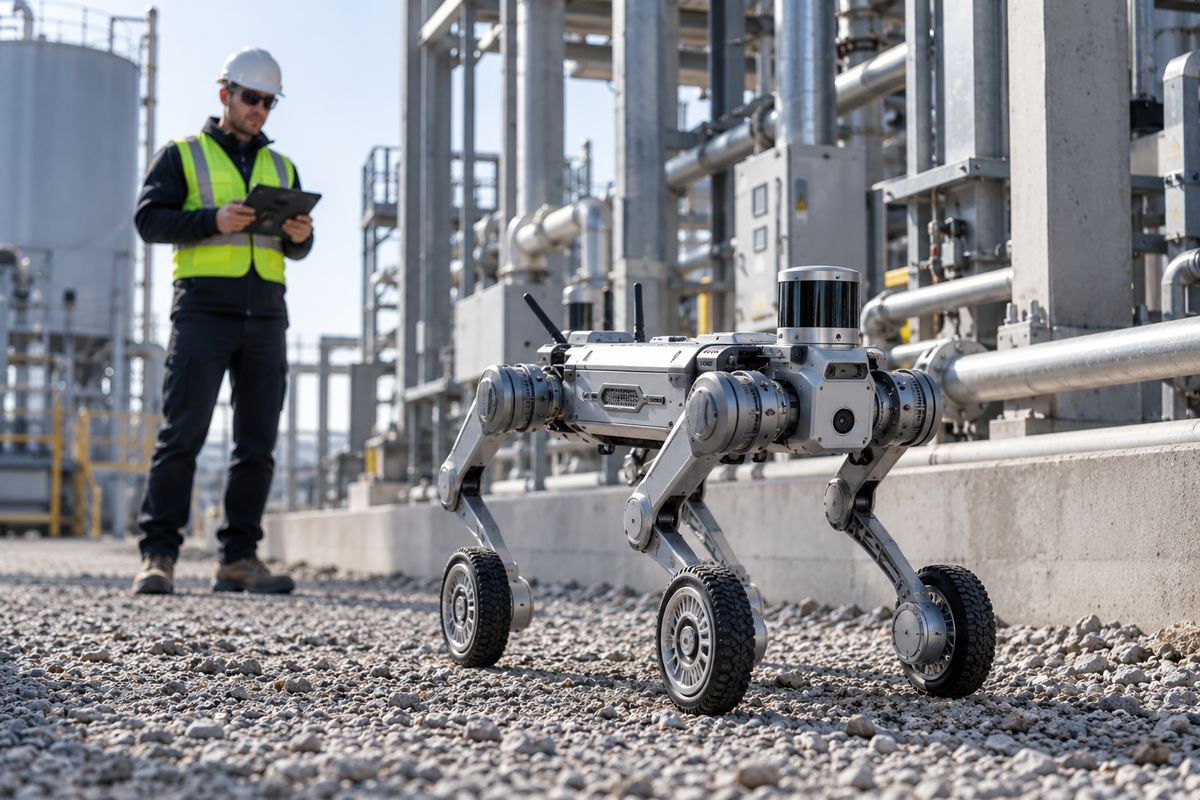
Quadruped robots can serve as platforms for investigating mobile sensing, navigation, remote operation, and inspection-related workflows in suitable environments. Practical deployment depends on the selected model, sensors, software, and operating conditions.

Education & Technical Training 

Education & Technical Training 

Robotic platforms allow students and technical teams to explore movement, programming, sensing, and control through practical experimentation rather than theory alone. 

Selecting a Platform for Your Project

Different robotic platforms are suited to different development goals. The right choice depends on what needs to be tested, which capabilities are required, and how the system will be used. 

The Research Objective

Embodied AI, locomotion, manipulation, navigation, and human-robot interaction place different demands on a robotic platform.

Mobility & Operating Environment

Indoor research, uneven terrain, outdoor testing, and industrial environments require different mobility capabilities and environmental considerations.

Sensors & Manipulation

The need for additional cameras, depth sensing, LiDAR, robotic arms, or dexterous hands affects the configuration and available functionality.

Software & Development Access

SDK availability, supported programming interfaces, control options, and compatibility with the intended development workflow should be evaluated for the specific model.

Configuration & Expansion Potential

Payload requirements, battery options, accessories, and upgrade compatibility influence how well a platform can support the project's objectives over time.

More Than a Robot: The Development Ecosystem

An advanced robotic platform is only one part of a development setup. The configuration, software interfaces, sensors, end effectors, and control tools determine what teams can actually investigate or build. Futurology's portfolio includes robotic platforms alongside compatible accessories and development hardware. Depending on the project, the broader setup may involve. 

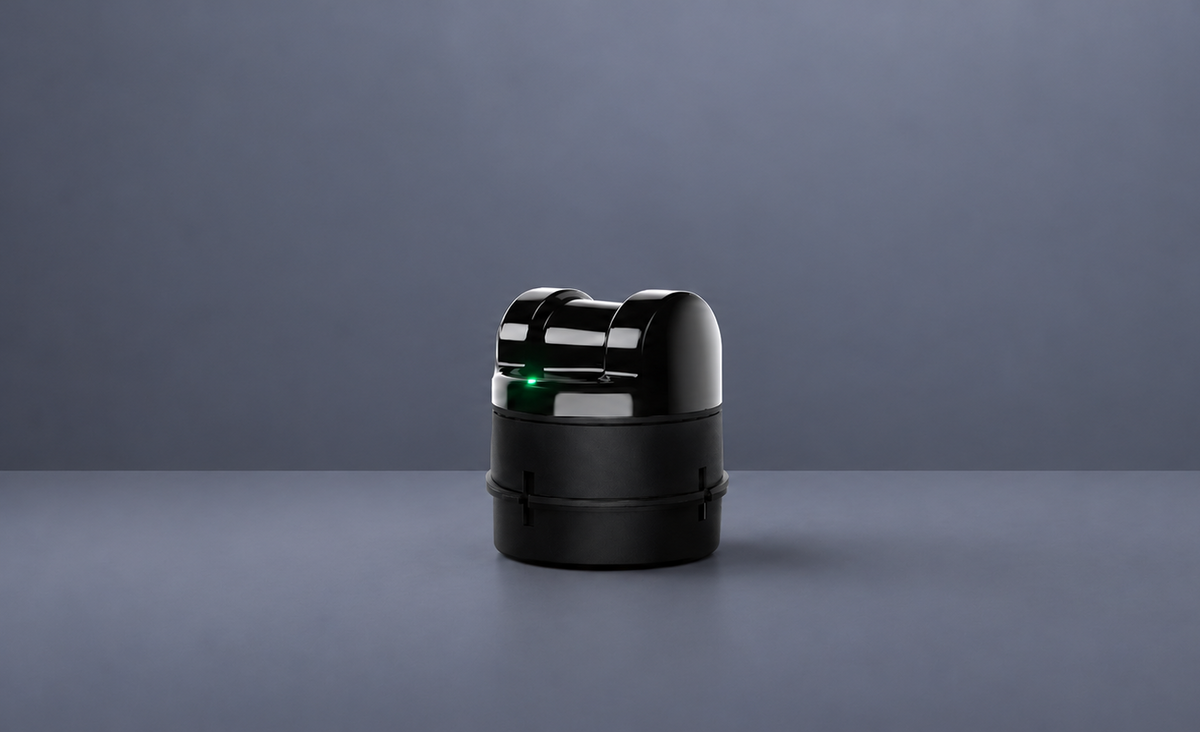
Sensors & Perception Hardware

Sensors & Perception Hardware

Cameras, depth sensors, LiDAR, and other compatible sensing components can support experiments in environmental perception, localization, and navigation. 

Explore Sensors & Vision Modules
Robotic Arms & Dexterous Hands

Robotic Arms & Dexterous Hands

Compatible manipulation hardware can extend selected platforms for research involving object handling, grasping, and physical interaction. 

Explore Arms & Hands
Software & Control Configuration

Software & Control Configuration

Available software, control interfaces, and configuration options determine how a robotic platform can be operated and adjusted. Futurology supports the setup and configuration of supported systems, helping customers work with the capabilities provided by the manufacturer. 

Explore robotics-setup-and-configuration
Controllers & Remote Operation

Controllers & Remote Operation

Controllers and remote-operation equipment provide interfaces for operating compatible robotic platforms. The available control methods and functionality depend on the selected robot and its configuration.

Explore Controllers
Batteries & Power Systems

Batteries & Power Systems

Compatible batteries and power accessories support the operation of robotic platforms under different usage requirements. Selection depends on the robot model, supported battery configuration, and intended operating conditions. 

Explore Batteries

FAQ

1

What is advanced robotics?

Advanced robotics encompasses robotic platforms and technologies used to explore sophisticated movement, perception, manipulation, control, and autonomous behavior. Applications range from research and education to technology development and selected industrial use cases. 

2

What is the difference between humanoid and quadruped robots?

Humanoid robots use a human-like body configuration and are relevant to research involving human-scale movement and interaction. Quadruped robots use four articulated legs and are designed around mobility, balance, and movement across varied terrain. The appropriate platform depends on the intended application. 

3

What can humanoid robots be used for?

Humanoid robots can support research into embodied AI, locomotion, manipulation, control systems, human-robot interaction, and robotics education. Specific capabilities depend on the model, hardware configuration, and available software. 

4

What are quadruped robots used for?

Quadruped robots can be used for locomotion research, autonomous navigation experiments, mobile sensing, field testing, and inspection-related development. Their practical capabilities depend on the platform, sensors, software, and operating conditions. 

5

Can Unitree robots be programmed or integrated with custom software?

Selected Unitree platforms provide SDKs, APIs, or other development interfaces. Available functionality and integration options vary by model and configuration, so compatibility should be confirmed for the intended project. 

6

Can robotic arms, hands, or additional sensors be added?

Some platforms support compatible accessories and additional hardware, including robotic arms, dexterous hands, and sensing components. Compatibility depends on the specific robot, mounting arrangements, software support, and configuration. 

7

How can Futurology help select the right robotic platform?

Futurology is an official Unitree Robotics distributor in the United States. Its portfolio includes humanoid and quadruped platforms, accessories, and development hardware. Support can include product selection, configuration guidance, and discussion of development or deployment requirements based on the project. 

Loading form…