Robotics That Fits the Way Your Business Works

A service robot creates value when its capabilities match the task and the environment in which it operates. 

Futurology's robotics portfolio brings together platforms for delivery, cleaning, transport, and interactive service applications. Product selection starts with the intended use case, operating environment, and capabilities required to make the technology useful in practice. 

This technology-focused approach connects the right robotic platform with the work it is expected to perform.

Discuss Your Robotics Needs

Where Does Your Team Spend Time on Routine Work?

Moving Items Between Locations

Moving Items Between Locations

Employees repeatedly carry dishes, supplies, and other items between work areas instead of focusing on their primary responsibilities.

Handling Internal Deliveries

Handling Internal Deliveries

Hotels, offices, and commercial facilities regularly move supplies and items between designated locations.

Maintaining Large Floor Areas 

Maintaining Large Floor Areas 

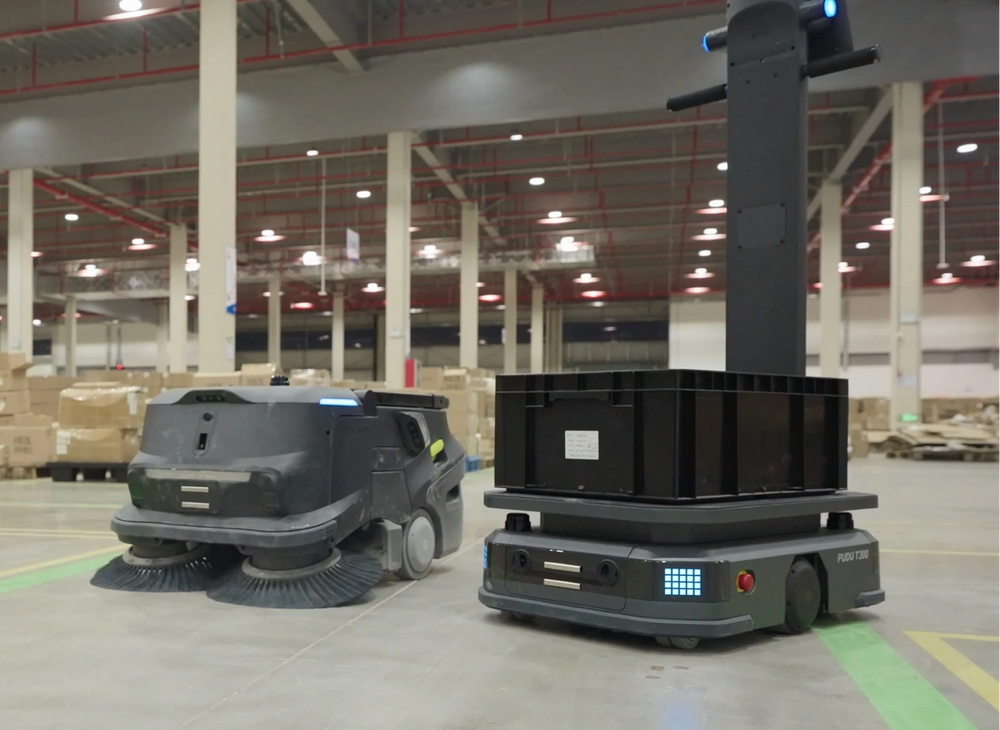
Cleaning extensive indoor spaces requires recurring effort that can often be organized into predictable automated routines.

Supporting Customer-Facing Operations

Supporting Customer-Facing Operations

In suitable environments, interactive robots can provide information, display content, and support selected service activities.

Different Jobs. Different Robots.

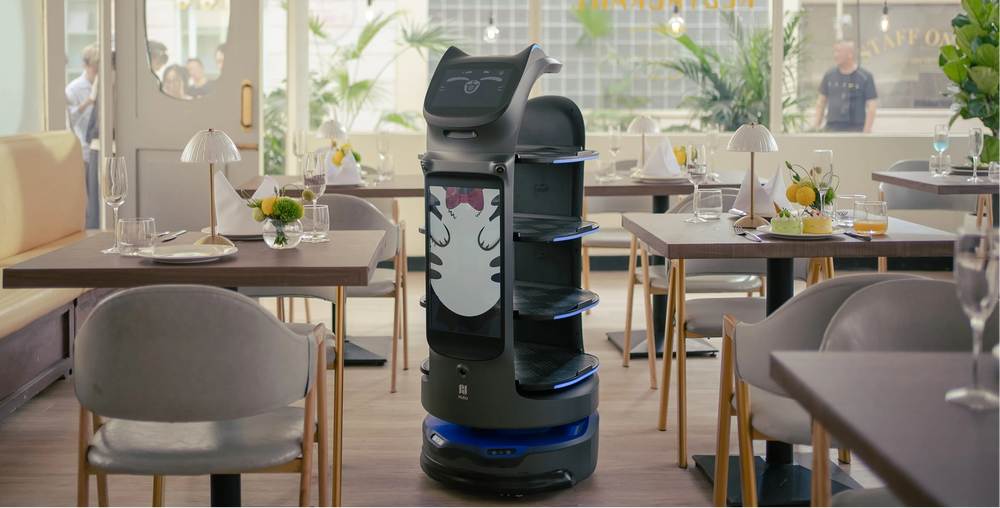
Delivery & Serving Robots

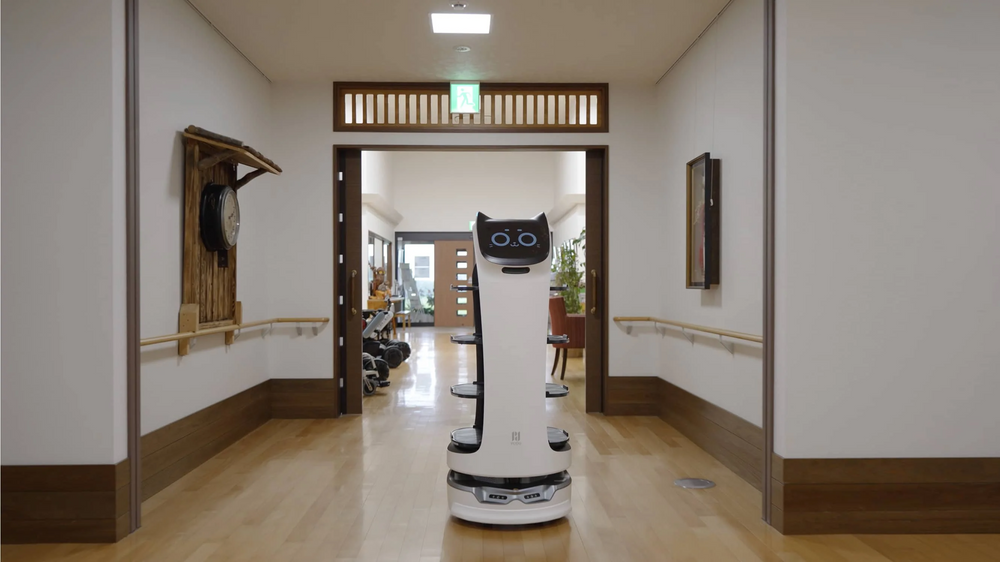
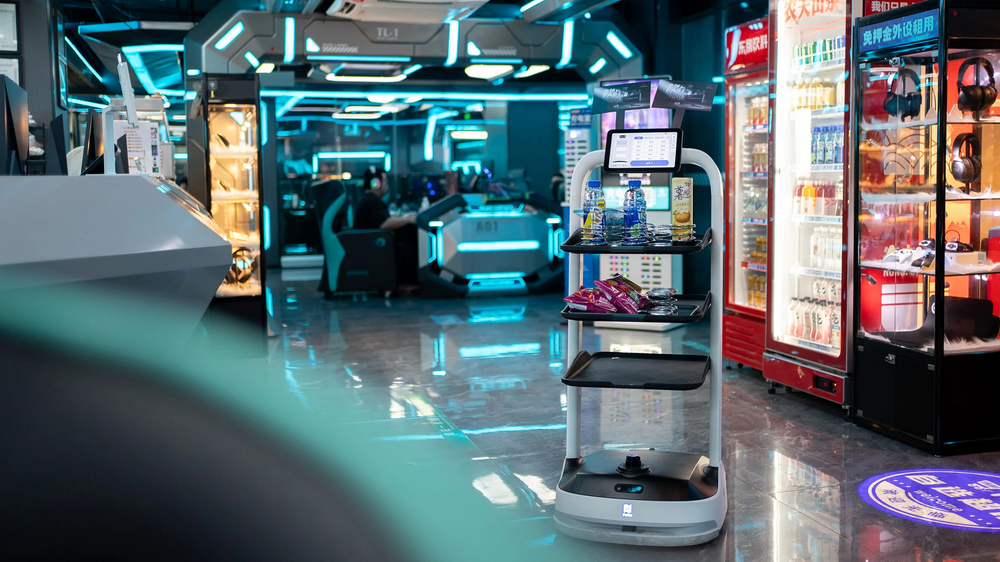
Designed to transport food, beverages, and other items along designated routes in restaurants, hotels, and similar environments.
Explore delivery robots →

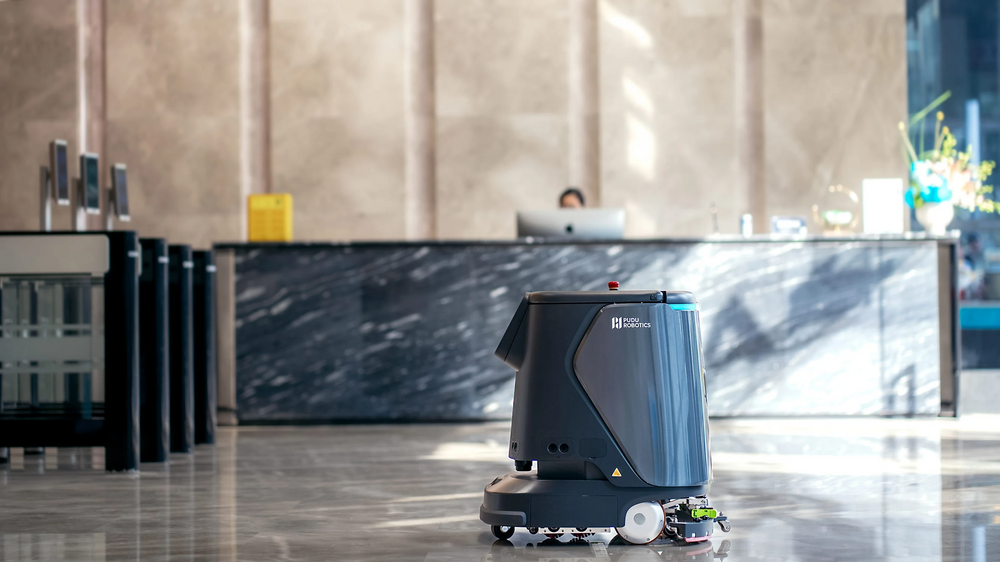
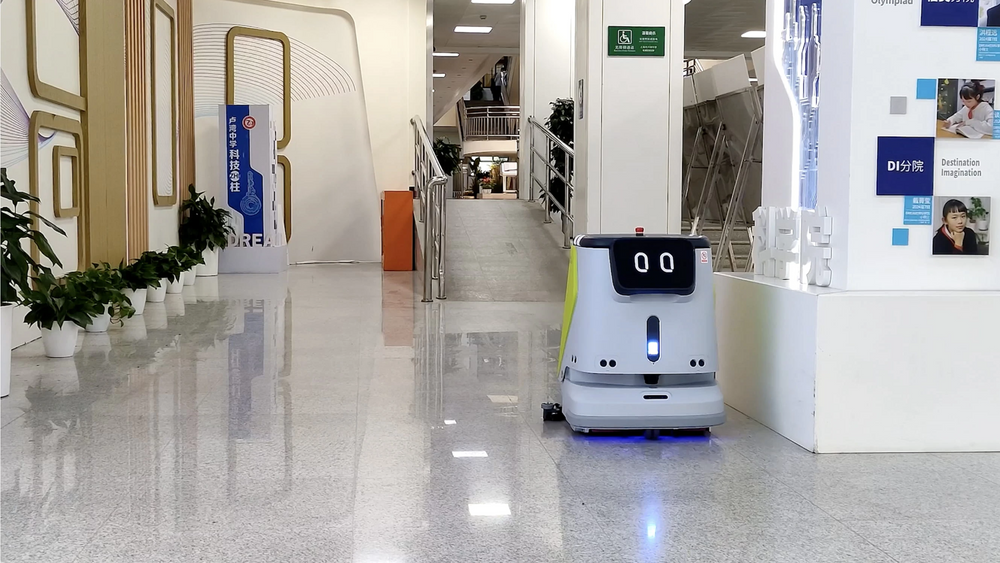
Autonomous Cleaning Robots

Built to automate selected floor-cleaning routines in commercial facilities, offices, and other suitable indoor environments.
Explore cleaning robots →

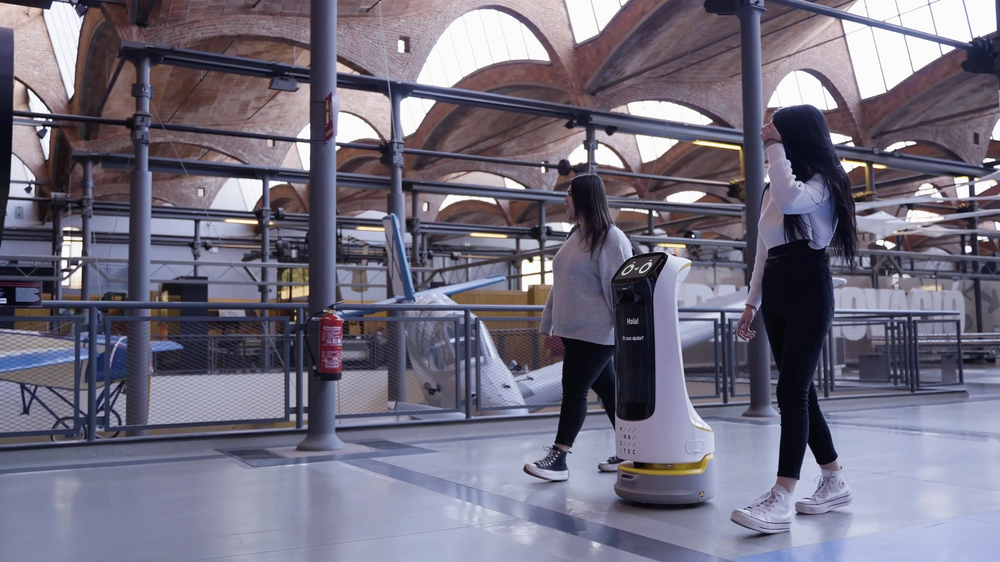
Interactive & Promotional Robots 

Combine mobility with digital displays and interactive capabilities for selected hospitality, retail, and customer-facing applications.
Explore interactive robots →

Internal Transport Robots 

Support the movement of supplies, equipment, and materials between work areas where the layout and operating conditions suit autonomous navigation.
Explore transport solutions →

What Makes a Robot the Right Fit?

Choosing a service robot involves more than comparing specifications. The right solution depends on what needs to be automated, where the robot will operate, and how it will fit into existing workflows. 

The Task

The Task

Delivery, cleaning, transport, and customer interaction require different capabilities.

The Environment

The Environment

Floor conditions, corridors, doorways, elevators, traffic, and layout can determine whether a platform is suitable.

The Workflow

The Workflow

Routes, operating schedules, handoff points, and staff interaction influence how a robot can be used in practice.

The Platform Capabilities

The Platform Capabilities

Payload, navigation, battery runtime, charging, and software features need to match the intended application.

Industries & Applications

From restaurant service and hotel operations to industrial logistics and healthcare, service robots can take on a variety of recurring tasks. Their applications range from delivering items and maintaining floors to guiding visitors, supporting mobile marketing, and moving materials between operational areas.

Food & Beverage

Food & Beverage

Service robots can support multiple stages of restaurant operations, including food delivery, table guidance, dish return, table cleaning, and floor care. These applications help automate recurring service tasks throughout the dining environment.
Retail

Retail

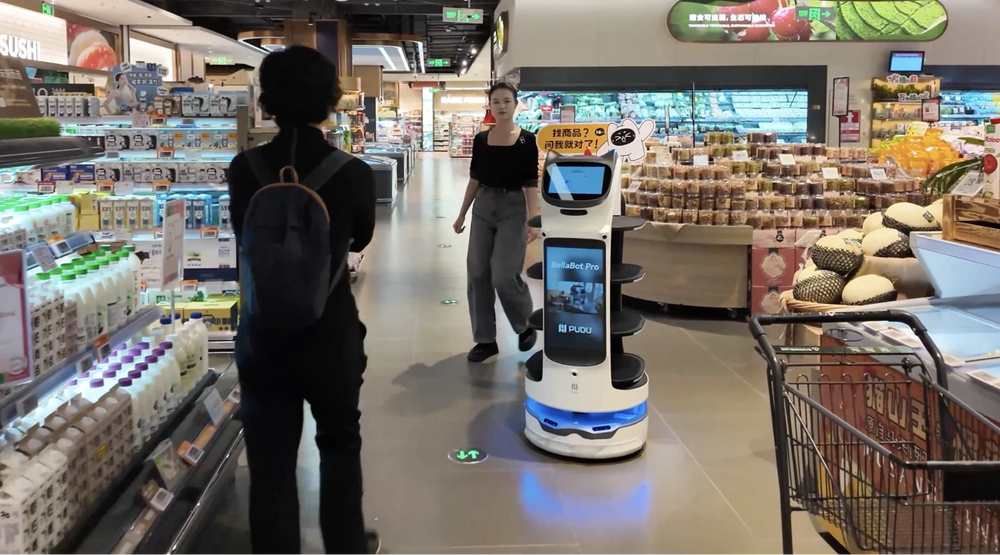
In retail environments, robots can support mobile advertising, AI-powered voice shopping guidance, guided tours, sample distribution, restocking, item delivery, and floor cleaning.

Hospitality

Hospitality

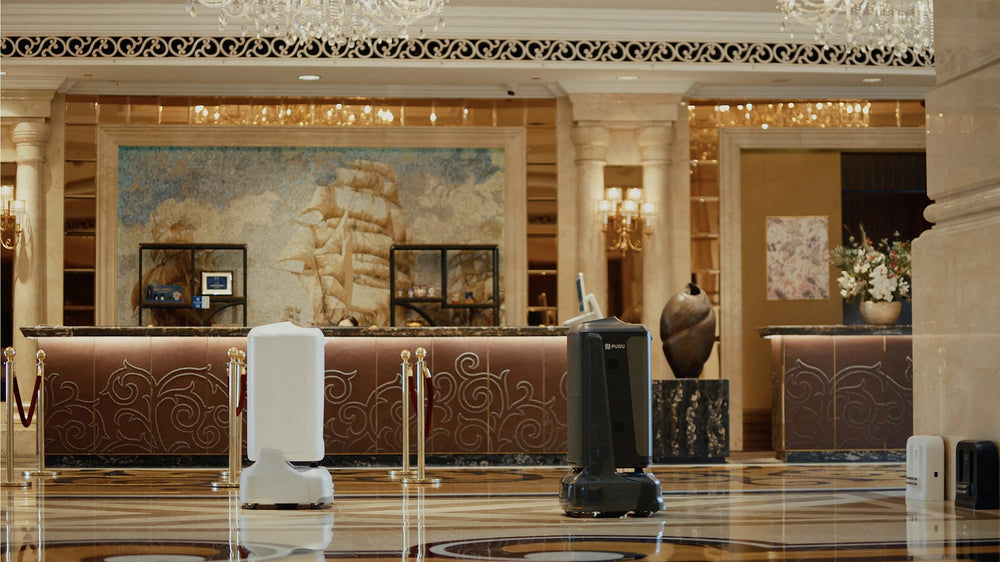
Hotels can use service robots for guest greeting, food and parcel delivery, linen and luggage transport, carpet vacuuming, kitchen cleaning, and pool-area scrubbing and drying.

Industrial Facilities & Warehouse Logistics

Industrial Facilities & Warehouse Logistics

Robotic solutions support material delivery to production lines, transfers between operational stages, finished-goods movement, inspection-related dispatch, and automated floor sweeping and scrubbing.

Healthcare

Healthcare

In suitable healthcare environments, robots can transport linen, medical equipment, medicines, laboratory samples, meals, and designated medical waste. They can also support floor cleaning in public and operational areas.

Transportation & Transit Facilities 

Transportation & Transit Facilities 

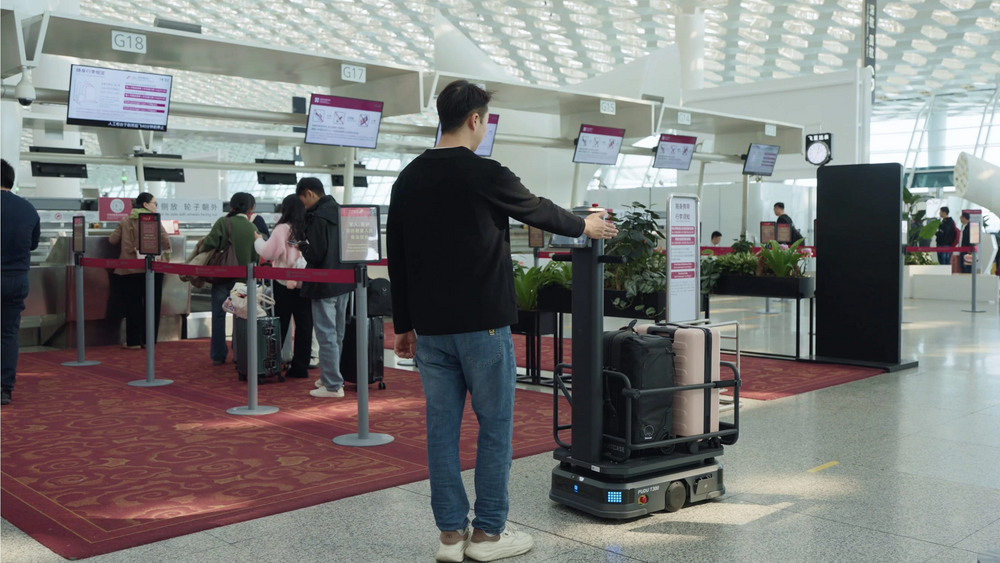
Airports, railway stations, and other transportation facilities can use service robots for information services, mobile advertising, small-item delivery, heavy-load transport, and floor cleaning.

Entertainment & Sports 

Entertainment & Sports 

In arenas, sports venues, and entertainment facilities, robots can support floor cleaning, carpet vacuuming, poolside water absorption, food and beverage delivery, and mobile promotional activities.

Real Estate & Property Services

Real Estate & Property Services

Residential complexes and commercial buildings can use robots for guest greeting, mobile advertising, delivery between buildings, and cleaning shared spaces.

Education

Education

Schools, universities, and campuses can apply service robots to reception, guided tours, food and beverage delivery, and floor cleaning.

Public Services

Public Services

Public buildings and service facilities can use robots for guided tours, mobile advertising, material distribution, food delivery, and floor cleaning.

FAQ

1

What tasks can service robots perform?

Depending on the platform, service robots can handle food and item delivery, internal transport, floor cleaning, and selected customer-facing activities. The most suitable application depends on the task, operating environment, and capabilities of the robot. 

2

Which businesses can benefit from service robotics?

Restaurants, hotels, office buildings, retail spaces, and commercial facilities can benefit from service robots when their operations involve repetitive tasks that can be automated. The greatest value comes from identifying specific workflows where a robot can complement existing staff and operating procedures. 

3

Can service robots work alongside employees and customers?

Yes. Many service robots are designed to operate in shared environments alongside people. Their practical use depends on navigation capabilities, obstacle detection, traffic conditions, and appropriate operating procedures within the facility. 

4

Can service robots operate in existing buildings?

In many cases, yes. However, suitability depends on the building layout, corridor widths, floor surfaces, doorways, thresholds, and other physical conditions. These factors should be evaluated against the capabilities of the selected robot before deployment. 

5

Can service robots use elevators and operate across multiple floors?

Some platforms support elevator integration or multi-floor operation, while others are designed primarily for a single floor. These capabilities depend on the specific model, available infrastructure, and required integration with building systems. 

6

What should a business consider before choosing a service robot?

Key considerations include the task to be automated, payload capacity, navigation capabilities, operating hours, battery life, charging requirements, floor conditions, and interaction with existing workflows. Evaluating these factors helps determine whether a particular platform is suitable for the intended application. 

7

Can service robots integrate with existing business systems?

Some robots support integration with ordering systems, building infrastructure, fleet management platforms, or other software. Available integrations vary by model and manufacturer, so compatibility should be confirmed against the business's technical requirements. 

8

What maintenance do service robots require?

Maintenance requirements depend on the platform and its operating conditions. Common considerations include battery care, cleaning sensors, inspecting moving components, updating software, and following the manufacturer's maintenance schedule. 

9

How can Futurology help identify the right service robot?

Futurology's robotics portfolio includes solutions for different service and operational environments. Selecting an appropriate platform starts with understanding the task, facility conditions, and required capabilities, then comparing suitable options against those requirements. 

Loading form…